Zainab Abdulkarim Ali، Whispering Dialogue, May Al Issa ، همس الحوار، مي العيسى، زينب عبد الكريم
Exploiting the Law in Norway: Systematic Deception Drains Justice and Public Resources
Part l
Zainab Abdulkarim Ali، Whispering Dialogue, May Al Issa ، همس الحوار، مي العيسى، زينب عبد الكريم
This file reveals a consistent pattern: unfounded claims brought before Norwegian courts, narratives reshaped as needed, and official documents used not to establish facts, but to obscure them.
The evidence shows that these practices were not isolated incidents. They operated within an interconnected network of relationships, including individuals within the Oslo Police who provided formally documented support through procedural channels. This allowed the pattern to persist, expand, and become more entrenched over time, while steadily draining public resources.
The impact extends beyond immigration and asylum matters. Over time, this trajectory developed into a mechanism of pressure on the judicial system itself, through repeated cases that consumed time, effort, and institutional capacity, while generating legal records that reinforced misleading narratives over more than seventeen years.
The material underlying this account, including images and official documents preserved in police and court records across Norwegian cities such as Haugesund, Tysvær, Skien, Fredrikstad, and Oslo, together with recurring behavioral patterns, points to a coherent method. This method is based on the strategic use of deception to secure legal advantage for members of a cross-border network engaged in fraud and the facilitation of unlawful migrant movement, using increasingly advanced and sophisticated techniques.
Reported by a journalist in Norway, March 2026
Documented event in Western Norway
Zainab Abdulkarim Visual Arts, Maren Brit Østern, Oslo police corruption, مي العيسى ، همس الحوار، May AL-ISSA ,Whispering Dialogue
Oslo – March 2026
According to official sources, in March 2026, a coordinator associated with a migrant smuggling network, in collaboration with her partner a Socialist Left Party candidate and alternate municipal council member in Fredrikstad and his wife, filed four coordinated legal actions: three through the police and one as a belated judicial appeal. This occurred approximately two months after the issuance of an initial ruling in which both the Oslo Police and the coordinator had lost.
According to documented sources, the objective was explicit: to erase records documenting migrant smuggling activities and to prevent the publication of evidence by reshaping legal facts in favor of the network.
Zainab Abdulkarim Ali، Whispering Dialogue, May Al Issa ، همس الحوار، مي العيسى، زينب عبد الكريم
Infiltrating the Oslo Police and Using the Law as a Tool of Pressure: A Case of Unannounced Immunity
For seventeen years, the coordinator systematically used Norwegian law as a tool of pressure through deception and fraud. This pattern intensified in 2022, when she penetrated the Oslo Police environment through a personal relationship with a police officer and residence in his home effectively creating what can be described as an unannounced protective shield.
This protection extended beyond proximity. Internal recommendations circulated among police officers and affiliated lawyers reinforced her position, insulating her from scrutiny even across units.
Parallel police units in the western region, not affected by these relationships, classified the case relating to human smuggling and the facilitation of migrant movement as serious and recognized its nature. Despite this, Oslo Police closed the investigation for a second time and obstructed independent investigative pathways.
Documents further indicate that this influence evolved into direct use within legal procedures, including cooperation with Oslo Police lawyer Maren Britt Østern to obtain unlawful documents supporting the coordinator and her network, [Document No.: 15698618 16998/22-201/MBO035, Date: 18 May 2022].
The January 2026 Ruling
Sources indicate that the ruling issued on 19 January 2026 by Sogn og Fjørdane District Court constitutes the most recent case lost by the Oslo Police within a prolonged series exceeding 27 vexatious proceedings, in which police resources were expended in support of a network that exploited cross-border legal frameworks not only to smuggle dozens of migrants into Schengen countries illegally, but also to conceal those activities and repurpose legal tools against witnesses.
This trajectory reflects a pattern comparable to that revealed in the case of Norwegian officer Eirik Jensen, where the boundary between official position and drug trafficking networks became blurred, involving cooperation, protection, and facilitation.
This does not point to an isolated incident, but rather to a structural vulnerability that allows official positions within the Oslo Police to be exploited to shield unlawful activities, when relationships and influence are present.
Based on documented evidence, this pattern evolved following evasion of accountability for incidents dating back to 2008, when the network began constructing parallel records targeting witnesses with the aim of coercing silence. It later escalated into the exploitation of judicial processes through coordinated fraudulent and vexatious claims, used as instruments of pressure through deception and manipulation, with the support of complicit elements within the police.
These findings emerged as a direct result of a recurring pattern of systematic manipulation of procedures, led by the smuggling operations coordinator in Oslo and her partner in Fredrikstad a Socialist Left Party (SV) candidate and an alternate municipal council member for the term (2023–2027) over years of deception, fraud, and misdirection. This pattern drew police units in Fredrikstad and Oslo into successive procedural cycles: investigations initiated on the basis of personal relationships and recommendations, directed and misleading narratives that were later closed, cases whose factual foundations were subsequently found to be flawed, and decisions in Oslo that were overturned after the manipulation of their process was exposed.
The impact of this conduct extended to internal accountability processes involving police officers and lawyers, and reached judicial levels not as a result of an inherent flaw in the system, but as a direct consequence of repeated exploitation and redirection of its procedures to serve a specific narrative.
The outcome was not merely a drain on public resources, but the imposition of procedural disruption, where facts became entangled with misleading narratives under sustained pressure, and legal procedures in practice were transformed into instruments of influence rather than mechanisms of resolution.
This pattern enabled its own reproduction over time, drawing on the repetition and overlap of the same procedural pathways, creating an environment susceptible to continuous exploitation, where facts were repeatedly reshaped and recirculated through formal channels in a manner that ensured the persistence of the narrative even after its contradictions had been exposed.
March 2026 Appeal
In this context, the coordinator filed an appeal on 9 March 2026, claiming that she had received the January ruling months after its issuance, and attached illegal documents issued by complicit elements within the Oslo Police, used to support the coordinator and the network against witnesses. These documents had previously been classified as an “official error” by the Norwegian Bureau for the Investigation of Police Affairs (10 May 2022).
These documents, lacking legal validity, had been repeatedly used to support the coordinator’s narrative and to pressure witnesses and external actors.
The appeal constituted a final attempt to remove publicly available material documenting migrant smuggling activities and the associated deception, with the aim of limiting the circulation of evidence and preventing its publication, after Oslo Police had obstructed the Western Region police and authorities from taking over the investigation.
March 2026 Verdict
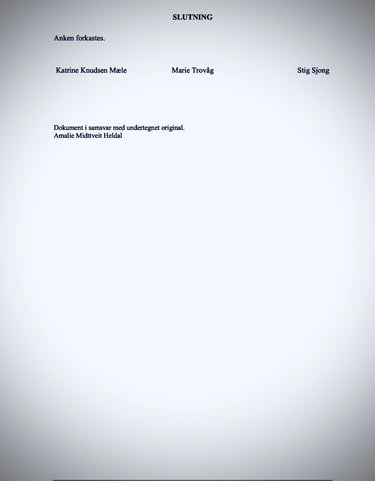
On 19 March 2026, the Gulating Court of Appeal fully dismissed the appeal [Case No.: 26-047006SAK], confirming the judiciary’s resilience against legal manipulation.
Zainab Abdulkarim Ali، Whispering Dialogue, May Al Issa ، همس الحوار، مي العيسى، زينب عبد الكريم
Patterns of Deception
A Structured Deception Architecture
Strategic construction of false identities and fabricated narratives as controlled entry points into legal, institutional, and personal contexts
Systematic manipulation of legal status (asylum and residency) not merely to obtain protection, but to establish a durable operational cover
Production, acquisition, and controlled circulation of misleading and, in documented instances, unlawful documents within police, judicial, and administrative frameworks
Creation of parallel factual records through repeated procedural embedding, enabling false narratives to acquire formal legal presence
Direct orchestration of legal actions and filings aimed at reshaping facts, reversing roles, and suppressing or displacing evidentiary material
Targeting of witnesses through sustained legal pressure, repetitive proceedings, and the strategic use of official channels to impose procedural burden
Exploitation of institutional proximity and personal relationships within law enforcement environments to influence access, information flow, and procedural handling
Integration of deception across legal, media, and digital domains, including efforts to influence content removal and control public narrative
Zainab Abdulkarim Visual Arts, Maren Brit Østern, Oslo police corruption
Law as an Arena of Manipulation and Abuse
Since 2022, more than 27 legal cases have been filed by the Oslo Police, without any substantive outcomes, reflecting a recurring pattern of a strategic nature:
Systematic exploitation of the judicial system through coordinated filings, supported by complicit elements within the Oslo Police
Exhaustion of witnesses through sustained legal harassment and unethical litigation practices
Reputational damage through unfounded claims formally recorded in Oslo Police records and imposed on the courts as matters requiring adjudication, despite resulting in repeated losses for both the police and members of the network
Construction of alternative and parallel legal narratives within official documents, aimed at stripping migrant smuggling and fraud cases of their substance and reframing them as isolated individual disputes
Procedural pressure through repetition, aimed at influencing the course of justice
Use of legal mechanisms to pressure digital platforms into removing content
Conferring an official veneer on retaliatory narratives that undermine witness credibility, reinforced through cooperation with lawyers linked to the Oslo Police. This is achieved through the systematic reconstruction of facts in a misleading manner that reverses roles criminalizing the victim while exonerating the perpetrator thereby contributing to the creation of a parallel record portraying members of the network as victims rather than subjects of accusation.
The supporting documents, including materials bearing the names and signatures of the relevant parties, are publicly available and can be accessed via the following link:
"Oslo police failure exhibition".
These practices reflect a coordinated pressure strategy in which the legal system is repurposed not as an instrument of justice, but as a mechanism of control, exhaustion, and narrative consolidation.
Zainab Abdulkarim Ali، Whispering Dialogue, May Al Issa ، همس الحوار، مي العيسى، زينب عبد الكريم
Illegal Documents Used for Fraud, Influence, and Coercion: A Systematic Pattern of Deception
This case is not limited to the issuance of illegal or invalid documents, but includes their repeated use as tools of deception, aimed at misleading courts, authorities, and the media.
Although these documents were internally classified as “formal errors,” they were systematically used for:
Deleting or concealing evidence
Pressuring and threatening witnesses
Attempting to influence legal outcomes, judicial processes, and even media narratives
These documents were repeatedly presented before the courts to support specific claims and influence judicial assessment. When this approach failed, the method was moved outside the courtroom, involving direct pressure on platform hosts to remove exposing content.
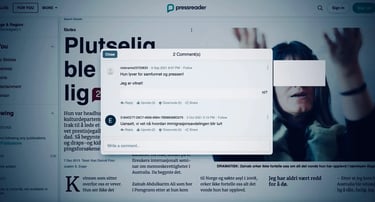
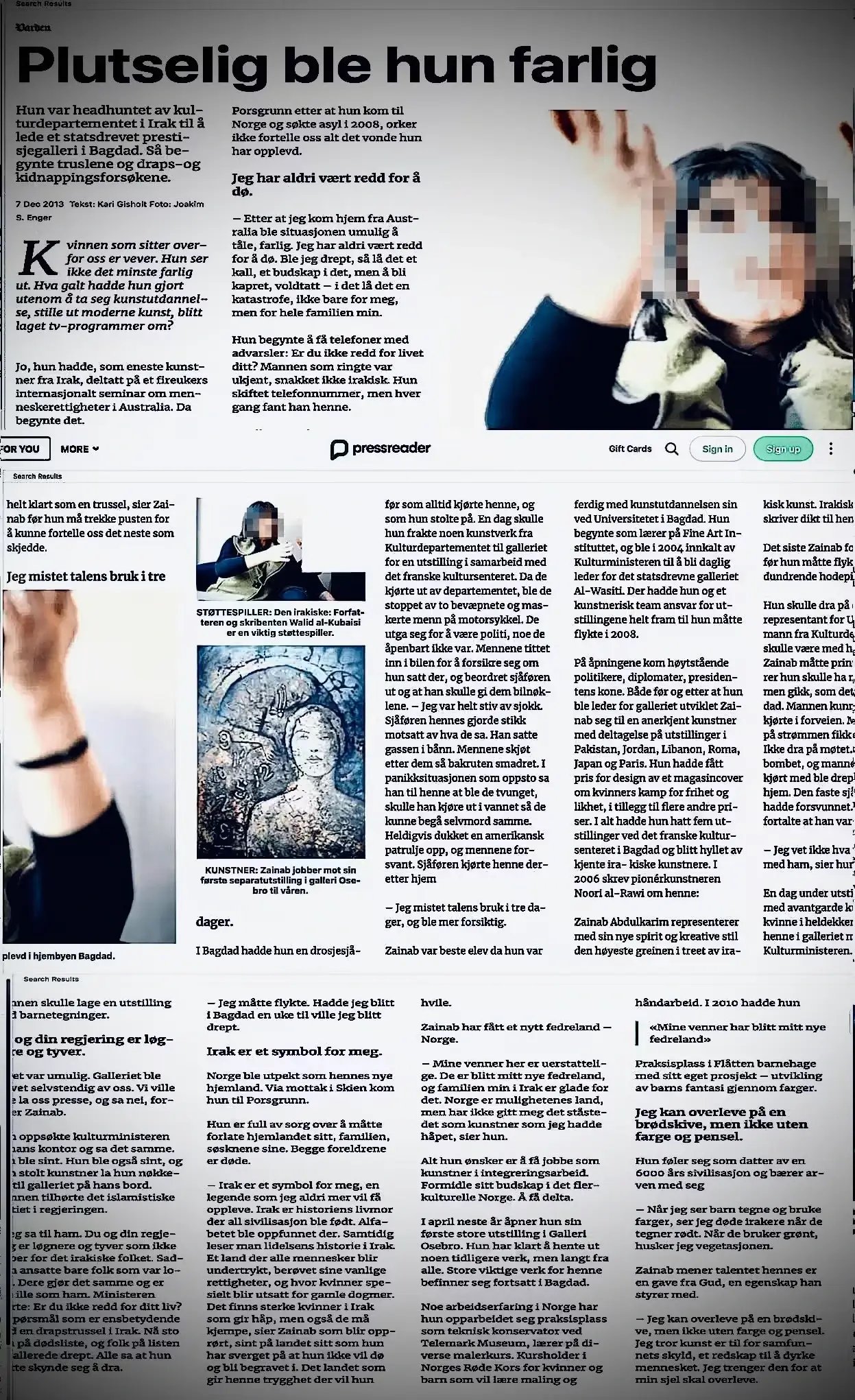
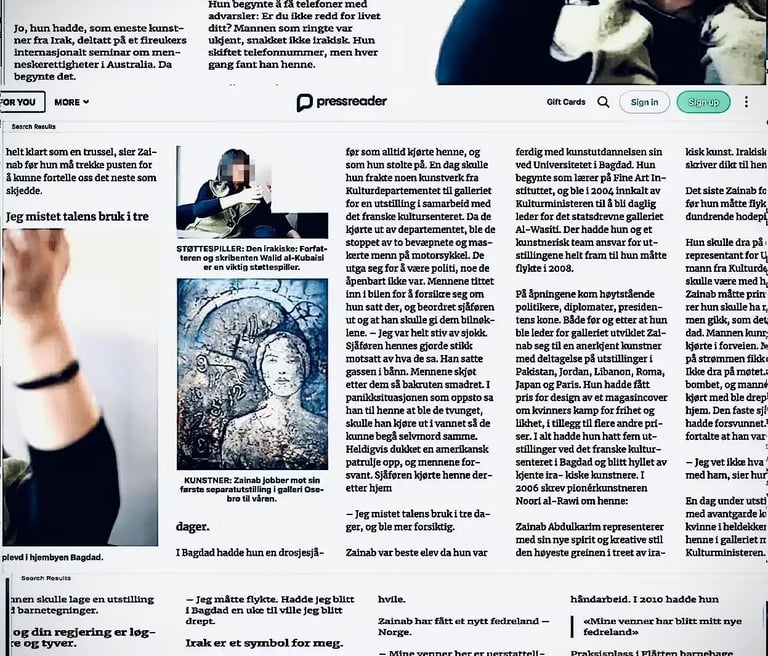
In this context, they were used to persuade Varden.no to remove a published article that documented statements submitted to the immigration authorities, after evidence emerged revealing significant contradictions and misleading information.
The same statements were originally used to mislead the Norwegian Directorate of Immigration (UDI) in 2008 in order to obtain political asylum. They were later republished in 2013 through the same channel.
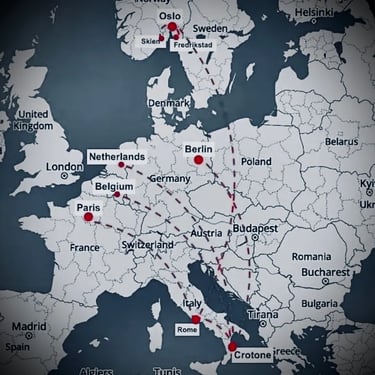
The pattern is consistent. The same method appeared in another case related to facilitating migration to France, where she was stopped at Paris airport in 2008 after authorities discovered that the documents she was using were forged, prior to her later involvement in facilitating crossings in Italy.


Zainab Abdulkarim Visual Arts,
The Statement Submitted to the Norwegian Directorate of Immigration (UDI)2008
This statement forms part of the basis on which her asylum application was submitted, on the grounds that she was arriving from Iraq and not from Italy. It was presented in a context where a state of temporary mutism during the proceedings was introduced, accompanied by a notably emotional display including crying. The same account later appeared in a press statement published in Varden.no, with the same elements of the events. The information presented below is based on that statement as it was previously published, which was later removed following the emergence of information that contradicted its content.
stopped and armed individuals blocked her path and attempted to force her to stop.
She confirms that the incident involved direct gunfire at the vehicle, in a clear attempt to stop it and compel compliance.
She states that the driver continued driving under pressure and managed to escape despite the seriousness of the situation.
She interprets the incident as a precursor to a possible attack, which could involve kidnapping or physical elimination.
She states that a U.S. military patrol intervened at a critical moment, causing the attackers to withdraw and the attack to be prevented.
She presents this incident as the turning point that led her to leave Iraq out of fear for her life.
She confirms that she arrived in Norway and applied for political asylum in 2008 based on these events.
She states that she later settled in Norway and continued her artistic activities through exhibitions and cultural work.
Allegations of Ongoing Threats (as stated in her account)
She states that she received direct threatening phone calls where her safety was questioned.
She confirms that the callers were unknown and did not speak her Iraqi dialect.
She states that she changed her phone number multiple times, but the threats continued.
She states that the threats also included possible kidnapping attempts.
She confirms that she was subjected to an armed ambush involving direct gunfire.
She describes a transition from a normal life to a state of constant and immediate danger.
She states that she had not previously been afraid, but that the situation changed.
She extends the scope of the threat to include her family.
Direct Statements
“Then the threats began, along with attempts at killing and kidnapping.”
“She began receiving warning phone calls: Aren’t you afraid for your life?”
“The man who called was unknown and did not speak Iraqi.”
“She changed her phone number, but each time he found her.”
“They were chased… there was a call, a message in it, but being abducted, raped - in that there was a catastrophe…”
“They were stopped by two armed and masked men on a motorcycle.”
“The men looked into the car to make sure she was there and ordered the driver out…”
“The men fired at them, shattering the rear window.”
“…he told her that they were forced, that he would drive into the water so they could commit suicide together.”
“Fortunately, a U.S. patrol appeared, and the men disappeared.”
“The driver then drove her home.”
“The driver disappeared.”
“This set of allegations reveals the foundation upon which the Oslo police files were constructed in favor of the claimant, whereby these narratives were transformed into 27 malicious cases into which the court system was drawn, and were systematically framed to reinforce and expand their impact, serving the claimant’s interests within a framework governed by personal relationships.”
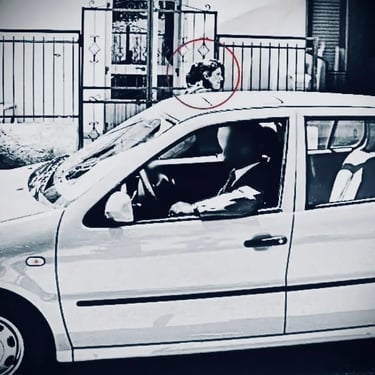
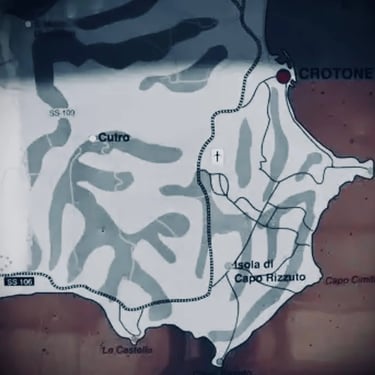


Which narrative is true? A threat that forces escape… or activity that shows the opposite? And what was concealed in the asylum case?
The pattern is clear and recurring:
Fabrication
Institutional reinforcement
External publication
Management and concealment of exposure
The article was not removed for lack of importance, but because what it exposed became costly. What was removed was not journalism, but a narrative that collapsed under evidence.
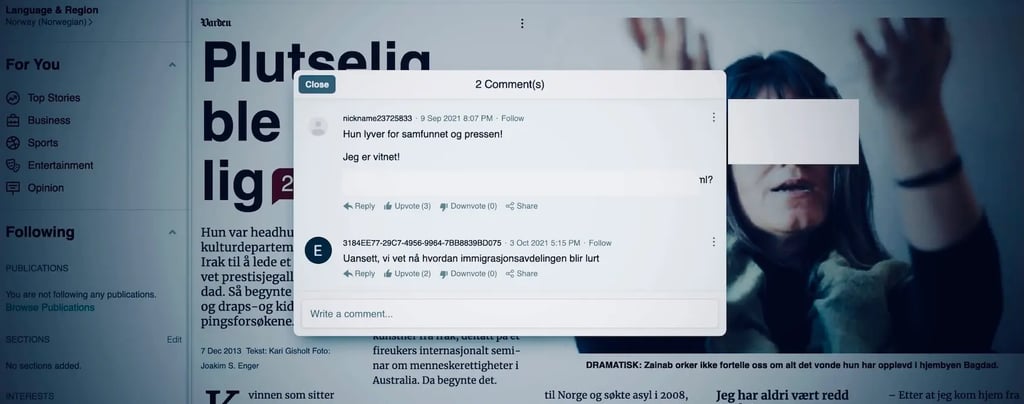
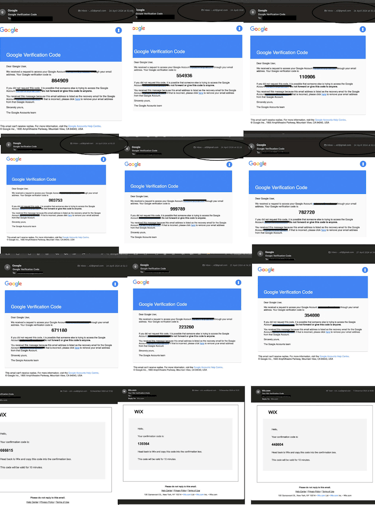
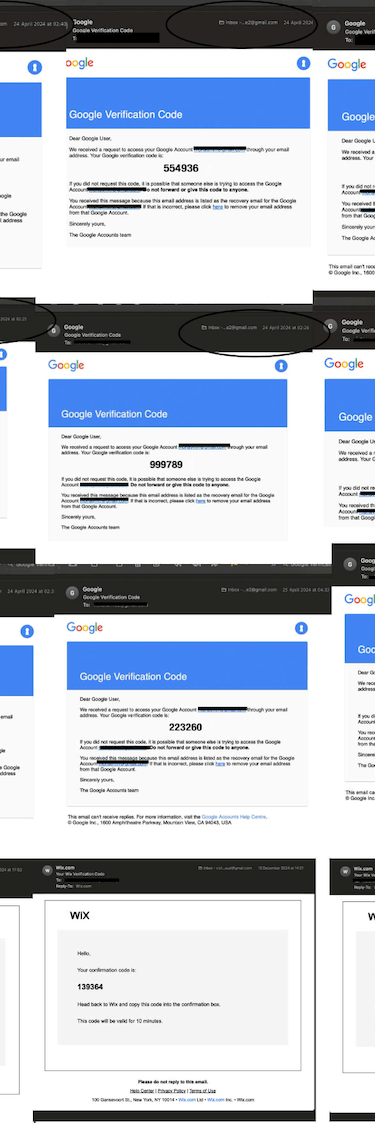
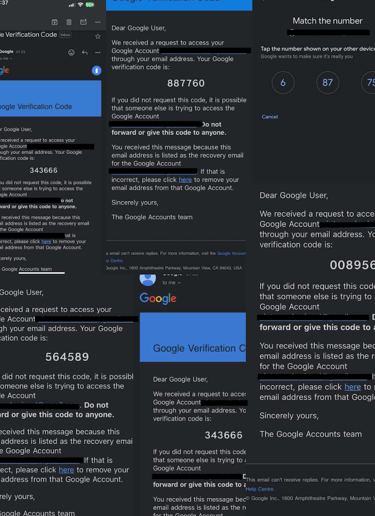

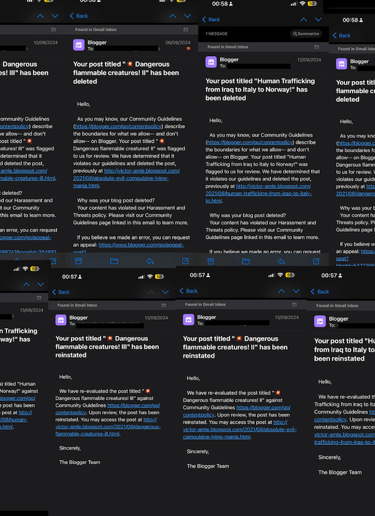
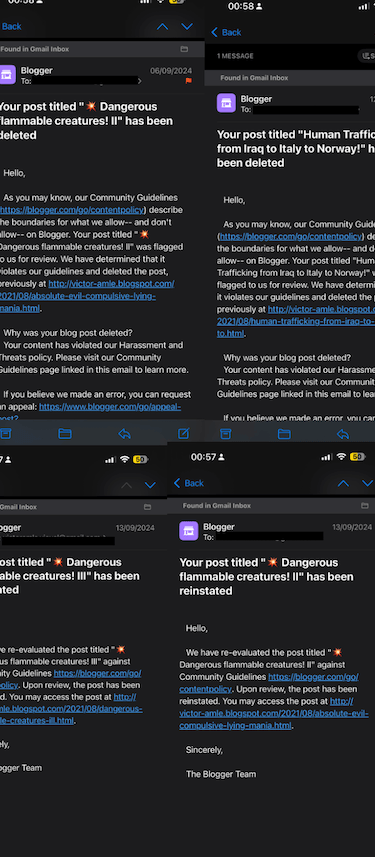
“Here are attempts to push the truth back into the well! These materials reveal a recurring pattern of attempts to sabotage and disrupt the digital infrastructure of targeted platforms, through the activation of unauthorized access requests using account recovery mechanisms, alongside the systematic entry of incorrect verification data, leading to the destabilization of associated email systems and their automatic suspension or temporary shutdown.”
“They also document the targeting of blogs and websites that have published the truth, through technical and procedural pressure aimed at undermining their continuity after the information has been made public.”
“Indicators further point to the abuse of automated reporting systems, through the generation of high volumes of reports within short timeframes thousands of reports daily resulting in the temporary suspension of blogs before their subsequent reinstatement following review.”
“This pattern intersects with parallel pressure tracks of a legal nature, including interactions with elements within the Oslo police, where indications of complicity emerge in the reproduction of reversed narratives; published facts are reframed in opposing terms, and actions are attributed to the party that exposed them, serving to reconstruct the narrative in favor of the concerned actors and exert direct pressure on witnesses to deter them from publishing, within a context where the application of law appears influenced by networks of relationships and patronage.
Infiltration Through Proximity, Not Through the Law
In 2022, the coordinator’s methods evolved into direct, structured actions:
Establishing a personal relationship with a police officer in Oslo
An attempt to leverage that relationship to include the police officer as a witness in fabricated cases targeting witnesses in Oslo.
Gaining access to police environments under the status of a “victim”
Subsequent developments included:
Sharing a residence with a police officer in Oslo
Leaking data related to witnesses
The circulation of internal recommendations across police units serving the coordinator’s interests
These actions were accompanied by the use of personal access to influence procedural handling and information flow within police environments.
Further indications point to individuals affiliated with an official body who contacted digital platforms, requesting the removal of content while explicitly asking that their institutional identity not be disclosed, in actions serving the network’s interests.
2010 Reminder
The same method was used earlier, in 2010, with the Telemark and Fredrikstad police:
Coordination with a security guard at the Iraqi embassy in Rome
Misrepresenting him to the police as a high ranking representative of the embassy
Using this misrepresentation to support false narratives in official contexts
In addition, the coordinator staged a collapse in a hospital to reinforce a victim profile and prompt the initiation of a case against witnesses.
She claimed to have been in a relationship with the witness in 2010, an assertion that collapsed immediately when the witness appeared before the police accompanied by his Norwegian partner.
Despite the exposure of the falsehood, she reintroduced the same claim before the Oslo District Court in 2024, repeating the same narrative in order to have it formally recorded in court records, effectively stripping the human smuggling case of its substance with direct support from the Oslo police.
Through this method, the narrative is not corrected… it is rewritten as fact.
Zainab Abdulkarim Visual Arts, Maren Brit Østern, Oslo police corruption
Oslo Police: A Constrained and Exploited Institution
The record does not indicate isolated procedural errors, but a sustained pattern in which Oslo Police became operationally entangled in a sequence of cases lacking substantive outcomes.
More than 27 legal proceedings were initiated and processed, most of which collapsed in court or were formally closed without result. These outcomes were not incidental; they form a consistent record of failed litigation based on fabricated claims and misleading narratives constructed by the coordinator herself.
Within this context, Oslo Police continued to process and advance these cases despite repeated judicial outcomes rejecting or dismissing them. This persistence placed the institution in a structurally constrained position.
Challenging the underlying claims risked exposing internal elements already tied to the case, including:
Testimonies connected to a police officer with whom the coordinator resided
The documented involvement of lawyer Maren Brit Østern in obtaining unlawful documents
At the same time, continuing the cases allowed the procedural cycle to persist, resulting in proceedings that continued procedurally despite repeatedly failing to achieve substantive judicial outcomes.
As a result, similar claims were reintroduced across multiple cases in varying procedural forms, requiring courts to process them as active legal matters, where they were repeatedly examined and ultimately dismissed or closed.
In parallel, a recurring group of lawyers and investigators appeared across these files, including:
Maren Myklebust Moe and others
Their names were documented as signatories, representatives, or procedural participants in cases that ultimately failed or were closed. The recurrence of these actors across unsuccessful proceedings constitutes a traceable pattern within the case record.
The cumulative result is not merely institutional pressure, but a documented process in which police resources were repeatedly engaged in proceedings that did not withstand judicial scrutiny, while continuing to generate formal case records.
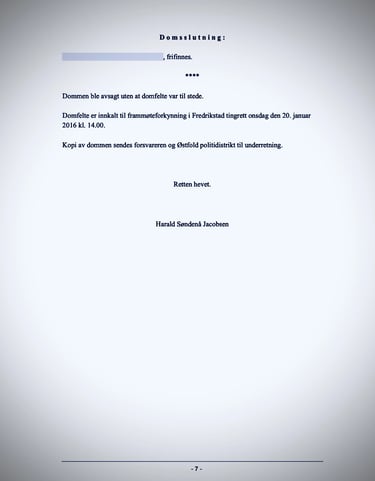
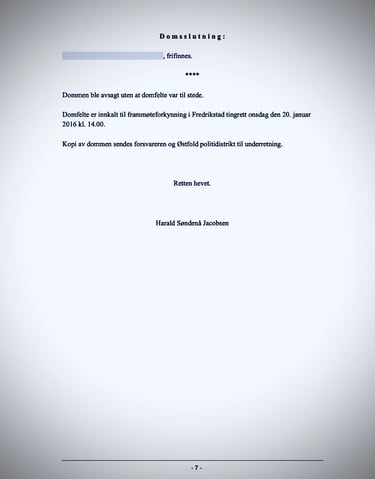


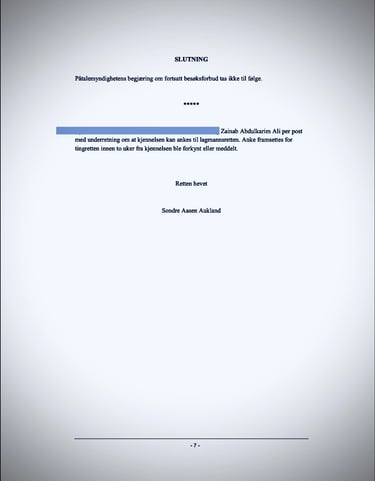
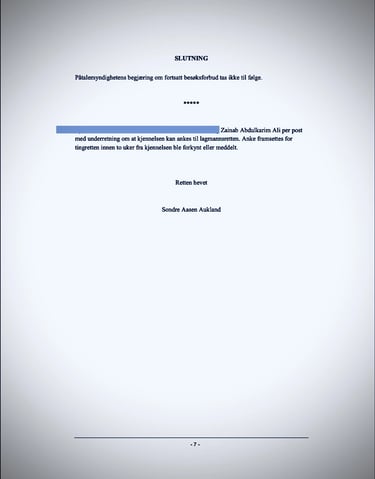
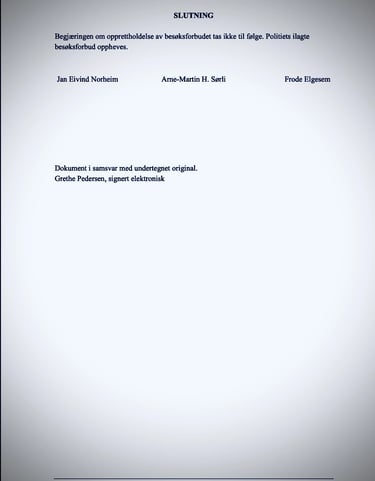
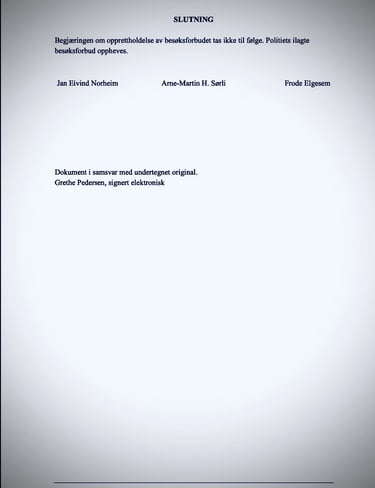
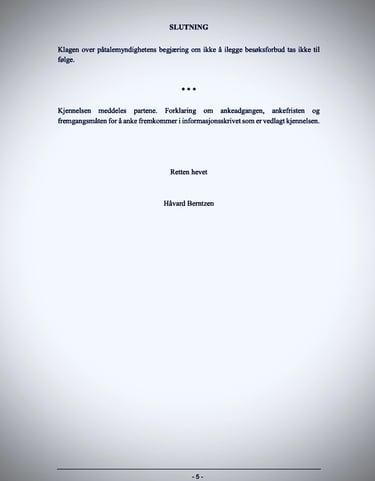
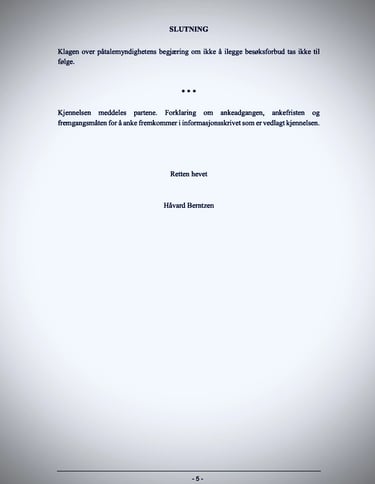
A sample drawn from dozens of court rulings settles the picture: a prolonged legal trajectory that ended in repeated losses for parties linked to this network, after years of leveraging procedures to reshape reality within the legal system. These were not ordinary disputes, but arenas of pressure extending across levels of litigation, where procedures were pushed to their limits through direct involvement of elements within the police, in an attempt to secure a single ruling that would legitimize the narrative yet they failed, and in their most critical stages collapsed before the courts of appeal.
Read as a continuous record, these rulings reveal a clear pattern: fabricated narratives constructed and reshaped, serious allegations advanced only to collapse under scrutiny, and systematic attempts to establish parallel records against witnesses and victims within the legal pathways of Fredrikstad and Oslo. These efforts even extended to courts in western Norway, at the request of complicit elements within the Oslo police.
This was not an accumulation of failures, but a method: exhausting procedures, recycling claims, and channeling them through legal processes that provided procedural cover, with the participation of police elements and lawyers associated with them, despite the fragility of the factual basis.
With each legal defeat, internal review processes were initiated involving police personnel in Fredrikstad and Oslo, without public disclosure of their outcomes, while the same pattern continued uninterrupted, sustained by a network of relationships that preserved its operational continuity.
When these attempts extended to police units and courts in western Norway, they encountered immediate resistance in the form of strict application of the law and institutional integrity. The same margins previously exploited were not available, and the pattern was halted at clear legal boundaries, unable to reproduce itself.
What collapsed before the courts was not isolated cases, but a model operating procedures through influence within the police in Fredrikstad and Oslo to control the narrative, until it met its limits inside the courtroom.

Zainab Abdulkarim Visual Arts,
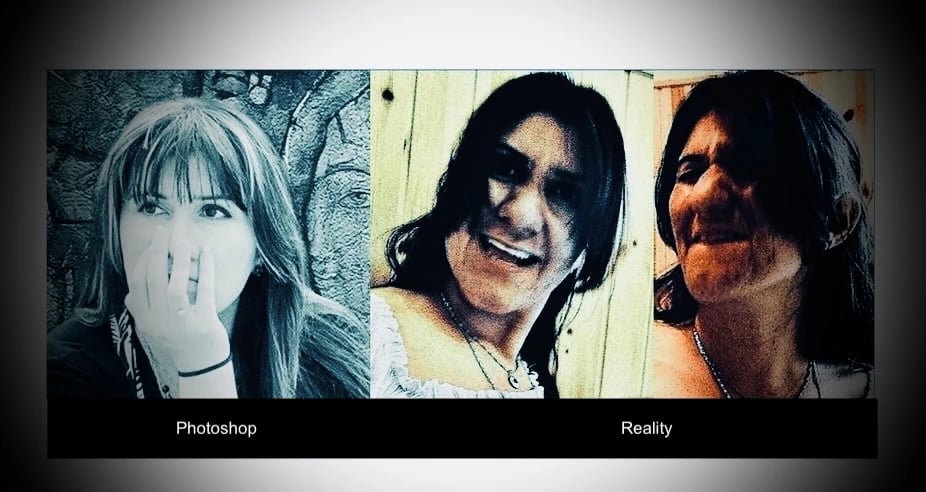
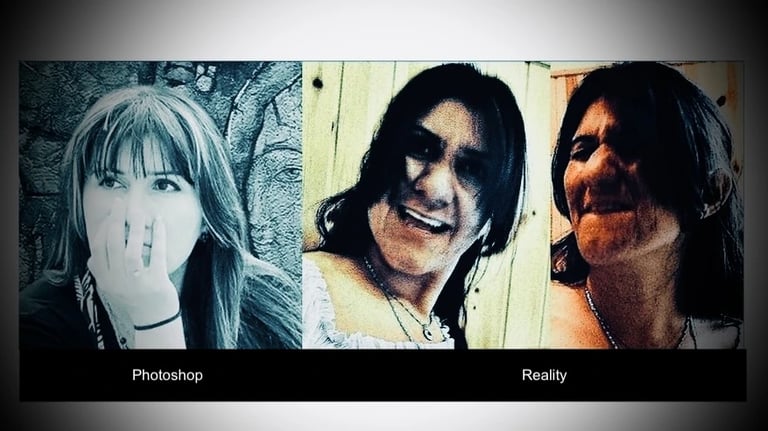
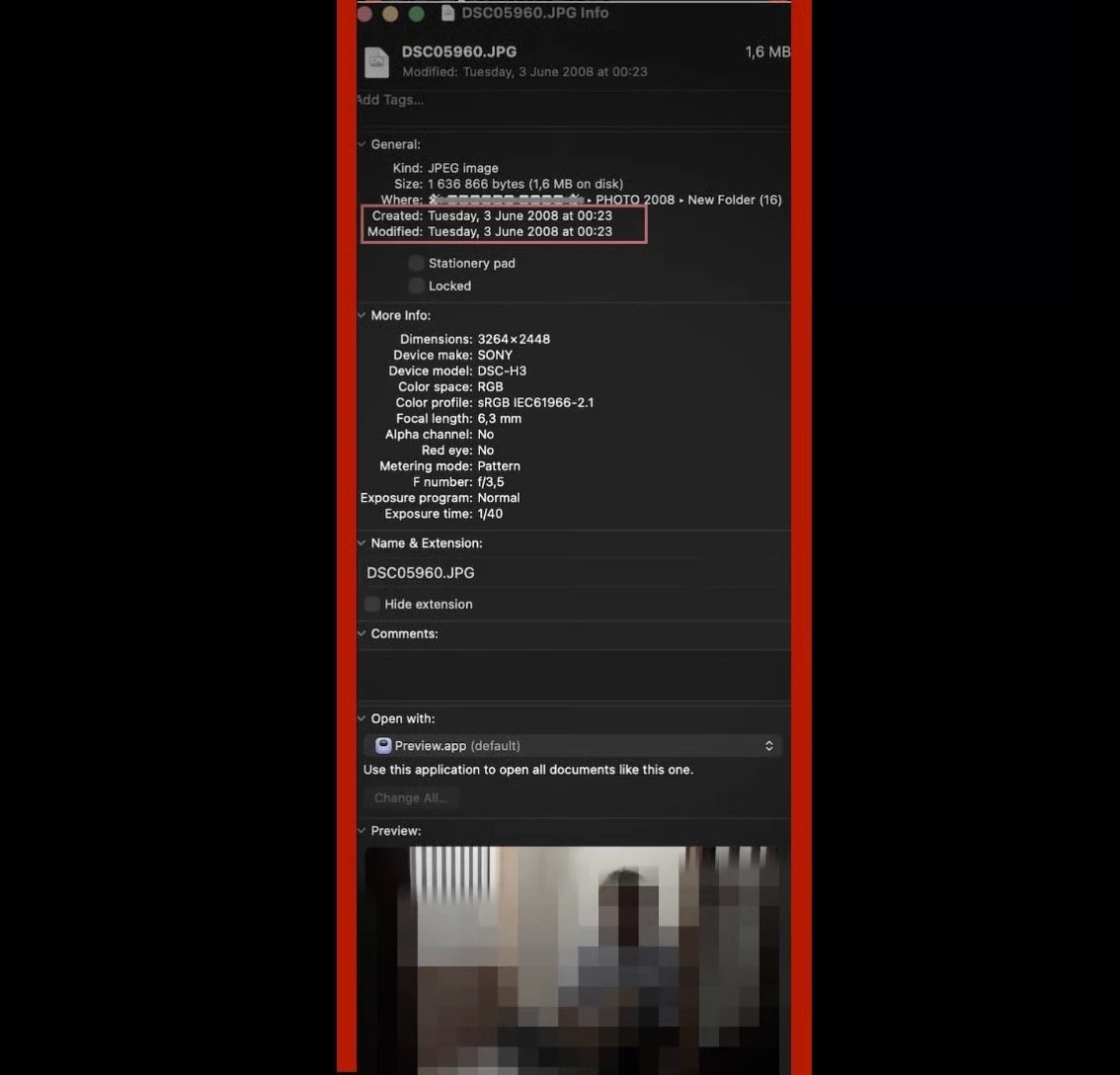
Synthetic Identity: The Image as a Tool of Deception and Luring
A fabricated identity was established through digitally altered facial images, presented as her real appearance and used as the primary point of entry. Initial contact was made through these images, and trust was built on this visual representation, leading individuals to make decisions based on a false persona.
At the same time, she rejected her real photographs, describing them as “manipulated,” while insisting that the edited images were authentic. In parallel, she avoided any in-person appearances, including court sessions, preventing verification of her identity and concealing the discrepancy between her actual appearance and the identity she presented.



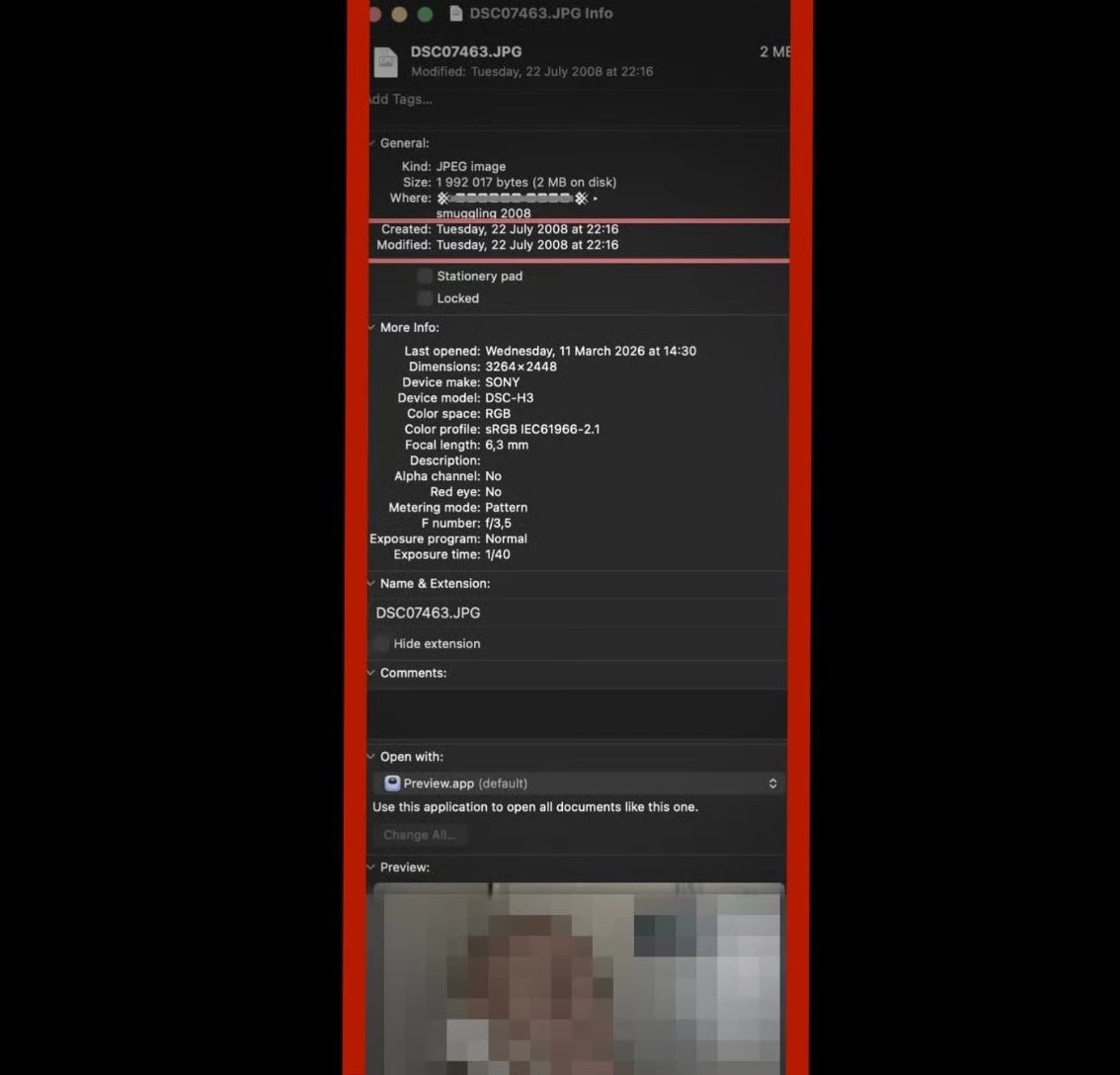
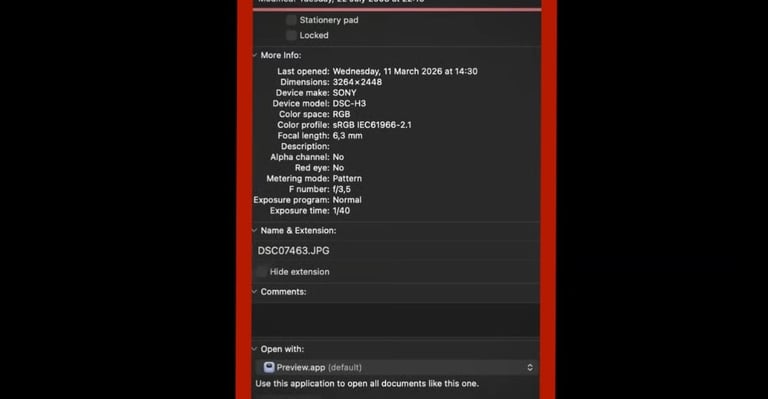
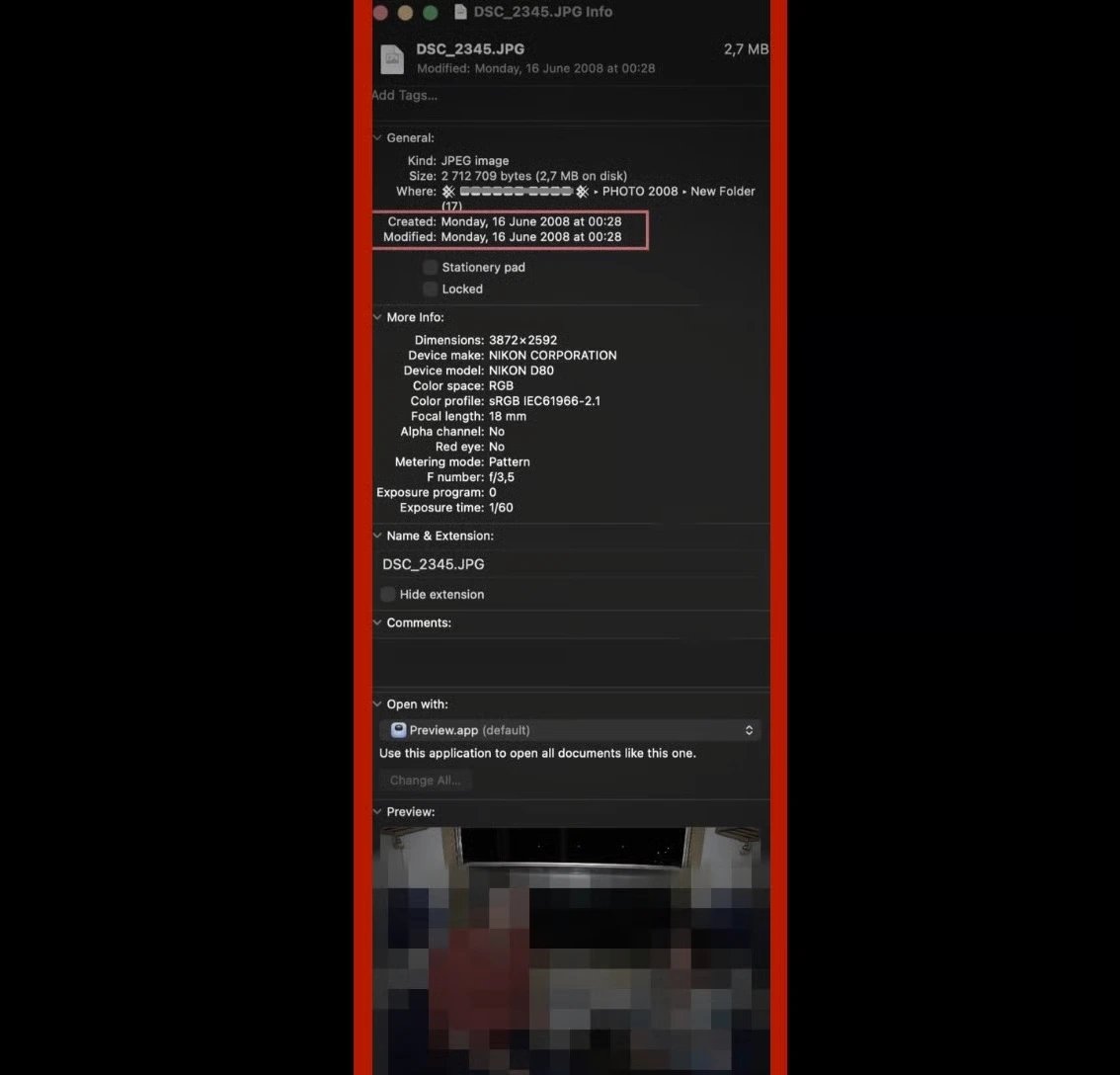

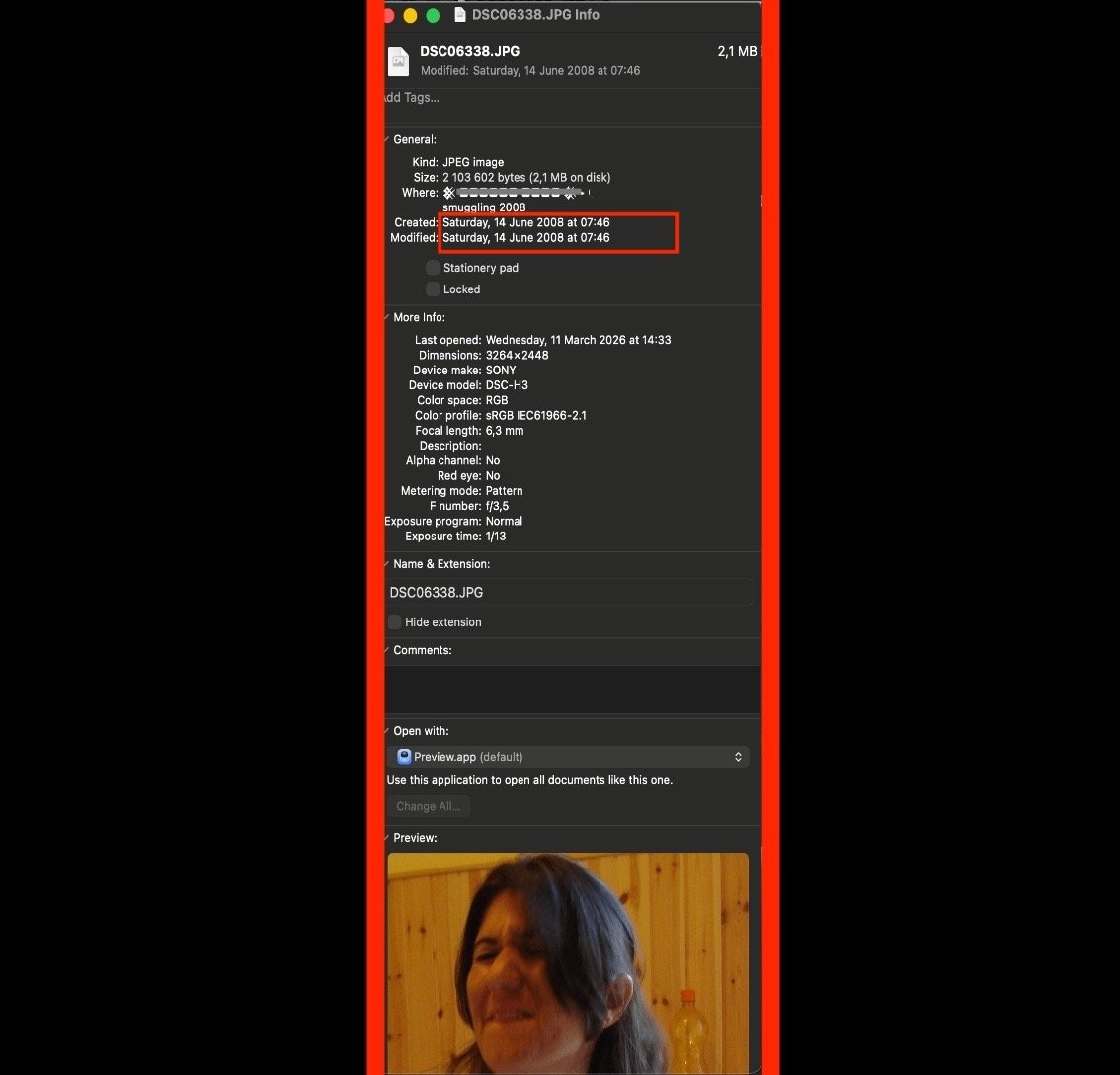

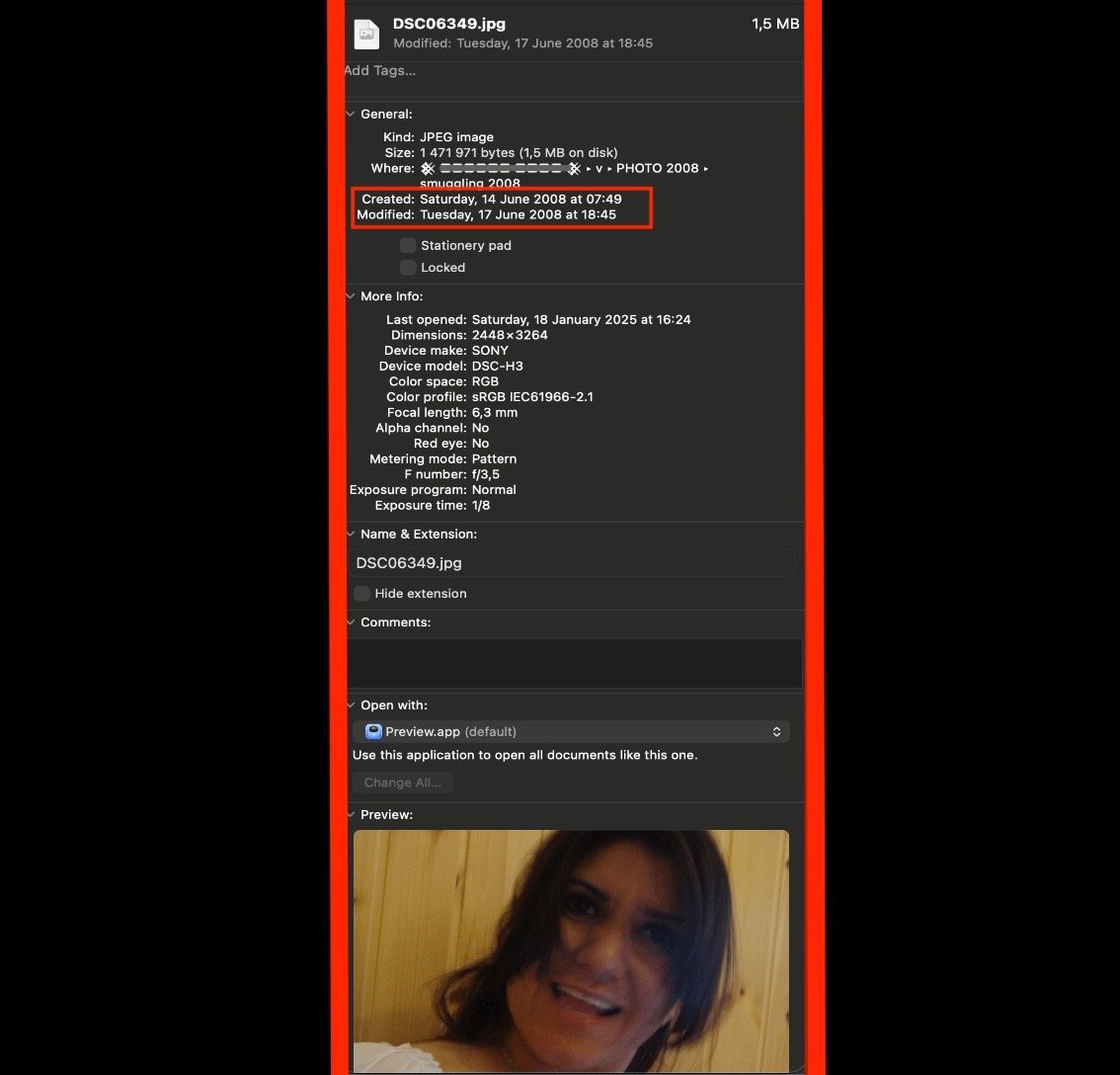

Claims attributed to her, as stated in police records, court proceedings, and content removal requests submitted to platforms:
◘ “The images are fabricated and created using digital editing software.”
◘ “She was inserted into images with individuals who have criminal records, with whom she has no connection or prior knowledge.”
◘ “The images relate to private family occasions and may not be circulated, published, or viewed.”
◘ “The person appearing in the images is not her.”
◘ “Her accounts were hacked by the witness, and the images were extracted without her knowledge or consent.”
◘ “She claims that the relationship with the witness dates back to 2010 and falls according to her account within the scope of a family dispute and nothing more, while asserting that she is more than eight years older than him, despite the existence of temporal information indicating that the witness was, at that time, in a documented relationship with a Norwegian girlfriend.”
The method followed a clear sequence:
Use of altered images to establish trust
Incorporating victims into activities linked to the network
Gradual transition into dependent or controlled situations
In documented cases, this resulted in restricted movement, exploitation, and situations where withdrawal carried consequences.
This was not misrepresentation. It was controlled deception initiated through image, sustained through access, and completed through dependency.
Zainab Abdulkarim Visual Arts,
Media, Narrative, and Legal Status
2008: Fabricated narratives were used to obtain political asylum.
2013: The same narratives were repurposed in media engagement, including with Varden.no.
2026, the coordinator used an official authority in an attempt to support the removal of published material from a hosting service provider, with the aim of establishing credibility and exerting pressure for compliance. According to available information, the authority required anonymity, indicating the sensitivity of its role and the risk of exposure.
After this attempt failed, the coordinator used documents issued by the Oslo Police District, which had been prepared by the Oslo police in collusion with members of the network due to relationships and favoritism. These documents lacking legal basis and classified as an “official error” following investigations into the police personnel who prepared them were used as a means of pressure and coercion during the process, with the aim of reinforcing the narrative, consolidating the position, and reshaping facts in favor of the coordinator and the network.
Despite this, the documents were provided to the coordinator by a lawyer affiliated with the police, in a context marked by favoritism and the exploitation of personal relationships within the Oslo Police, supporting her and the network’s efforts to remove information.
Zainab Abdulkarim Visual Arts,
Manipulation Through Art and Social Media: Obscuring Evidence and Controlling Narrative
In parallel with constructing a fabricated identity, the coordinator implemented a structured strategy to control the public narrative through art and social media by:
Managing multiple accounts, many of which were fake or largely inactive
Publishing artwork at an unusually high frequency to dominate the digital space
Reinforcing a constructed image as a credible artist
Through this identity, she promoted fictitious projects, including:
Artist residencies in Norway in exchange for payments
Claims of connections with official institutions to establish legitimacy
Using witnesses from members of the network in Italy to support her claims and mislead the police.
Functionally, this approach enabled:
Concealment of evidence and diversion of attention
Reframing and controlling the public narrative
Creating informational noise that obscured inconsistencies and hindered verification
In parallel, she relied on:
Documents associated with Oslo Police to reinforce her narratives
These documents as instruments of legitimacy
Reframing facts to serve her interests and those of her network
Observed patterns indicate that:
Fraudulent narratives rarely withstand scrutiny
In the case of Waleed Ahmed, the Norwegian citizen sentenced to 11 years in the United States after defrauding investors by selling non-existent rights to major concert events, the fabricated narrative collapsed despite attempts to sustain it through legal argumentation.
Judicial rulings exposed the structural weakness of such fabricated narratives when confronted with evidence
Conclusion:
Narratives built on manipulated perception (images, documents, media presence) may achieve temporary acceptance
However, they lack a sustainable legal foundation
And ultimately collapse when subjected to evidentiary standards and judicial scrutiny


Zainab Abdulkarim Visual Arts,
Crotone 2007-2008: The Foundational Model of Deception
Crotone 2007-2008: The Foundational Model of Deception
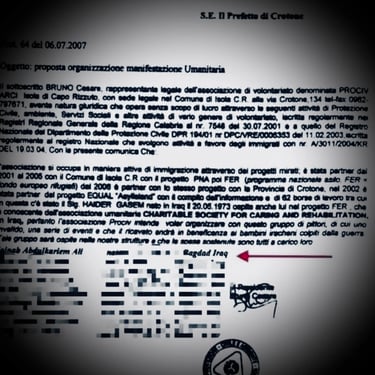
The coordinator began deceiving victims, institutions, and embassies as early as 2007, after obtaining official documents from a charitable children’s organization, which she used to lure individuals into fictitious humanitarian projects that were, from the outset, a deliberate cover for migrant smuggling.
She employed the same method to deceive the Iraqi Ministry of Culture, obtaining $5,000, before relocating the group of migrants without informing the charity or the ministry, using the project to facilitate their movements.
In Crotone, the victims were detained, and the project operated as an organized smuggling scheme from the beginning.
Ultimately, dozens of migrants were smuggled into Schengen countries, targeting the largest possible number of countries and municipalities through the same deceptive methods.
This case illustrates a systematic deception strategy, combining exploitation of official documents, manipulation of institutions, and exploitation of migrants’ legal vulnerabilities, enabling the coordinator to execute an organized smuggling operation under the guise of humanitarian projects.
Zainab Abdulkarim Visual Arts, Maren Brit Østern, Oslo police corruption, مي العيسى ، همس الحوار، May AL-ISSA , Whispering Dialogue
“In light of documented patterns involving the reconstruction of facts and manipulation of legal procedures to conceal a record of violations, the recent intersection with an entity operating from within the United Kingdom specifically the platform ( Whispering Dialogue ) managed by May Al-Issa, cannot be understood as a professional transition, but rather as a calculated repositioning aimed at relocating the same model into a space with less friction against established facts.
This is reflected in the granting of a media role and the deliberate insertion of the name into interviews with artists to create a constructed association that functions as cover, alongside a nominal integration into an online publishing platform through which an artificial professional presence is reproduced and reinforced through repetition and archiving. This is not an editorial practice, but a linkage mechanism that manufactures legitimacy through association rather than merit.
The underlying driver, however, is direct and material: visual artworks are provided free of charge and used as covers for poetry publications issued by the platform’s own management, making the protection of this image a direct interest. In parallel, systematic image polishing is carried out by the same entity. Any exposure of documented facts directly threatens the credibility of these publications and their market value, with clear implications for sales reputation. As attempts to suppress these facts have failed, a shift has occurred toward an alternative path: rebranding the identity within a separate context that does not reference the record or the associated facts.
Within this framework, the platform does not function as a publishing intermediary, but as a cover mechanism: a softened narrative is reproduced, and the association with public names is used as a buffer to absorb and dilute the impact of documented facts. Accordingly, what appears as media support is, in essence, interest-driven image management designed to keep the product insulated from its consequences.”
These elements, taken together, do not point to isolated irregularities, but to a sustained pattern operating across time and institutions.
At this stage, the question is no longer limited to the acts themselves, but to the structure that allowed them to persist:
how such practices were able to navigate formal procedures, generate official records, and maintain continuity without interruption.
Where does the boundary lie between lawful process and its systematic exploitation?
And at what point does the use of legal mechanisms shift from protection of rights to the construction of an alternative reality?
To approach these questions, it becomes necessary to return to the legal framework itself: how Norwegian law defines fraud, false information, and the misuse of legal procedures, and where these acts fall within the scope of legal accountability.


Legal Framework: From Defining the Crime to Analyzing the Pattern
Fraud as a Foundational Tool / Straffeloven §§ 371–372
Norwegian law criminalizes fraud as the deliberate exploitation of a misconception in order to obtain an unlawful benefit.
In the documented case, the conduct extends beyond isolated deception and reveals a structured pattern based on:
the production of misleading narratives
the concealment of material facts
the repeated reuse of unlawful or invalid documents within administrative and judicial processes
This is evidenced by the documented use of materials originating within police frameworks, later classified as an “official error,” yet repeatedly deployed before courts and external actors to influence outcomes and reshape factual records.
Section 371 defines the core elements of fraud
Section 372 applies to aggravated cases involving systematic or large-scale conduct
The sustained and coordinated nature of these actions places this pattern within the scope of aggravated fraud.
Fraud in the Context of Asylum, Residency, and Citizenship / Utlendingsloven § 63 & Statsborgerloven § 26
Norwegian immigration law provides that residence permits or asylum may be revoked if obtained through misleading information or concealment of material facts.
In the documented pattern, asylum-related narratives were not limited to securing legal status, but were subsequently reused across:
police records
judicial proceedings
communications with media and digital platforms
This transformed a status obtained through misleading information into an operational tool within a broader system.
Crucially, the legal implications extend beyond residency.
Under the Norwegian Nationality Act (§ 26), citizenship may be revoked if it was granted on the basis of false or misleading information or concealment of decisive facts.
Accordingly, where the original legal foundation is compromised, the entire chain of derived rights including citizenship becomes legally vulnerable to revocation.
Providing False Statements and Constructing Parallel Records / Straffeloven § 221
Providing false or misleading information to public authorities constitutes a criminal offense under Norwegian law.
The documented facts demonstrate a recurring pattern of:
submitting contradictory or misleading statements
embedding them within official records
reusing them across multiple proceedings
This resulted in the construction of a parallel legal record, built on inaccurate information, and subsequently used to:
exert pressure on witnesses
influence administrative and judicial outcomes
support requests to digital platforms for content removal
False Accusations and Procedural Pressure / Straffeloven §§ 222–225
Norwegian law criminalizes false accusations in several forms:
§ 222: False accusation
§ 223: Aggravated false accusation
§ 224: Arbitrary or reckless accusation
§ 225: Fabrication of criminal allegations
Within the documented pattern, the repeated filing of claims lacking factual foundation, combined with the persistence of accusations despite their dismissal, reflects a structured use of allegations as instruments of pressure.
The repetition of more than 27 proceedings without substantive outcomes, the exhaustion of opposing parties, and the generation of official records based on disputed or false narratives indicate not procedural failure, but the deliberate use of accusation mechanisms to shape legal and factual realities.
Human Smuggling and Illegal Facilitation / Utlendingsloven § 108
Where the documented conduct involves facilitating unlawful entry or residence, it falls within the scope of criminal liability under Norwegian immigration law (§ 108).
The material indicates:
the use of fictitious or misleading projects as operational cover
the exploitation of legal status obtained through misleading information
coordination across multiple jurisdictions
Where established, such conduct forms part of a broader system linking deception, facilitation, and organized activity.
Conclusion: A Structured Criminal Pattern
What emerges is not a series of isolated violations, but a coherent operational model:
fabricated narratives (documents, identity, media presence)
institutional embedding through police and court records
repeated reuse across legal and administrative channels
deployment as instruments of pressure against witnesses and external actors
Since 2008, this pattern has relied on the law not as a mechanism of accountability, but as a tool for influence reshaping facts, reversing roles, and constructing a parallel record within formal systems.
The result was not merely procedural strain, but the sustained production of an alternative legal reality, reinforced through repetition and institutional circulation.
Yet when subjected to judicial scrutiny and evidentiary standards, this structure failed.
What ultimately collapsed was not a single case, but an entire method
a system built on manufactured narratives that could not withstand verification within the rule of law.
In public statements in 2025, Oslo Police Chief Ida Melbo Øystese acknowledged the existence of around 120 criminal networks operating within advanced, cross border structures, reflecting an organization based on relationships and complex coordination. This acknowledgment does not merely describe a threat, but, when read in light of these facts, reveals an institutional environment within the police that allows informal relationships to influence case handling, priorities, and operational decisions.
In this context, the facts reveal, beyond any doubt, the existence of deep and dangerous vulnerabilities within the structure of the Oslo Police, vulnerabilities that date back to the era of the Eirik Jensen case and continue to this day, readily exploitable, particularly through infiltration of the police system via personal relationships.
In such a context, legal provisions cease to function as instruments of justice and instead become pathways that can be circumvented through these relationships.
As a result, law enforcement institutions are indirectly used to serve the interests of suspects and criminal networks, leading to the obscuring of the truth and the obstruction of genuine investigation and accountability, in a context where the leadership of the Oslo Police was aware of the facts and overlaps yet chose not to intervene.
Prior to 2022, fear restrained members of the network, preventing them from approaching the police despite the existence of information regarding smuggling activities between 2019 and 2020, as they understood that any report could trigger a serious investigation leading to accountability.
This reality changed sharply after 2022, when the coordinator of the smuggling operations moved in with a Norwegian police officer, an act constituting a clear breach of Oslo Police protocols, after which hesitation turned into reassurance following explicit guarantees that no investigation into the case would be initiated.
Emboldened by this protection, the network entered a more aggressive and structured phase. After securing these guarantees, its members began exerting direct and systematic pressure on police units in Oslo through recommendations, alongside repeated, often unsuccessful attempts to expand this approach to other cities through a series of complaints, before escalating further by contacting the courts in an attempt to remove established facts and delete existing evidence. This approach was built on more than seventeen years of experience in exploiting procedural leeway, contributing to a growing sense of impunity.
Despite the intensity of these attempts, they ultimately encountered the resilience of institutions in other parts of the country, particularly in Western Norway, where institutions demonstrated a higher resistance to deception and manipulation.
In these environments, the pattern did not continue but instead met clear legal boundaries, supported by a higher level of vigilance and institutional integrity.
The network’s attempts failed, unable to penetrate systems characterized by stricter practices, greater independence, and lower tolerance for procedural exploitation.
The conclusion is decisive: truth does not protect itself. It requires constant vigilance and decisive intervention to prevent any form of influence, regardless of its source, from obscuring crimes or distorting facts before the judiciary and society.
FilesSOSZainab Abdulkarim